
About Us
Independent advisors committed to protecting your assets and helping you build lasting wealth with trusted guidance.
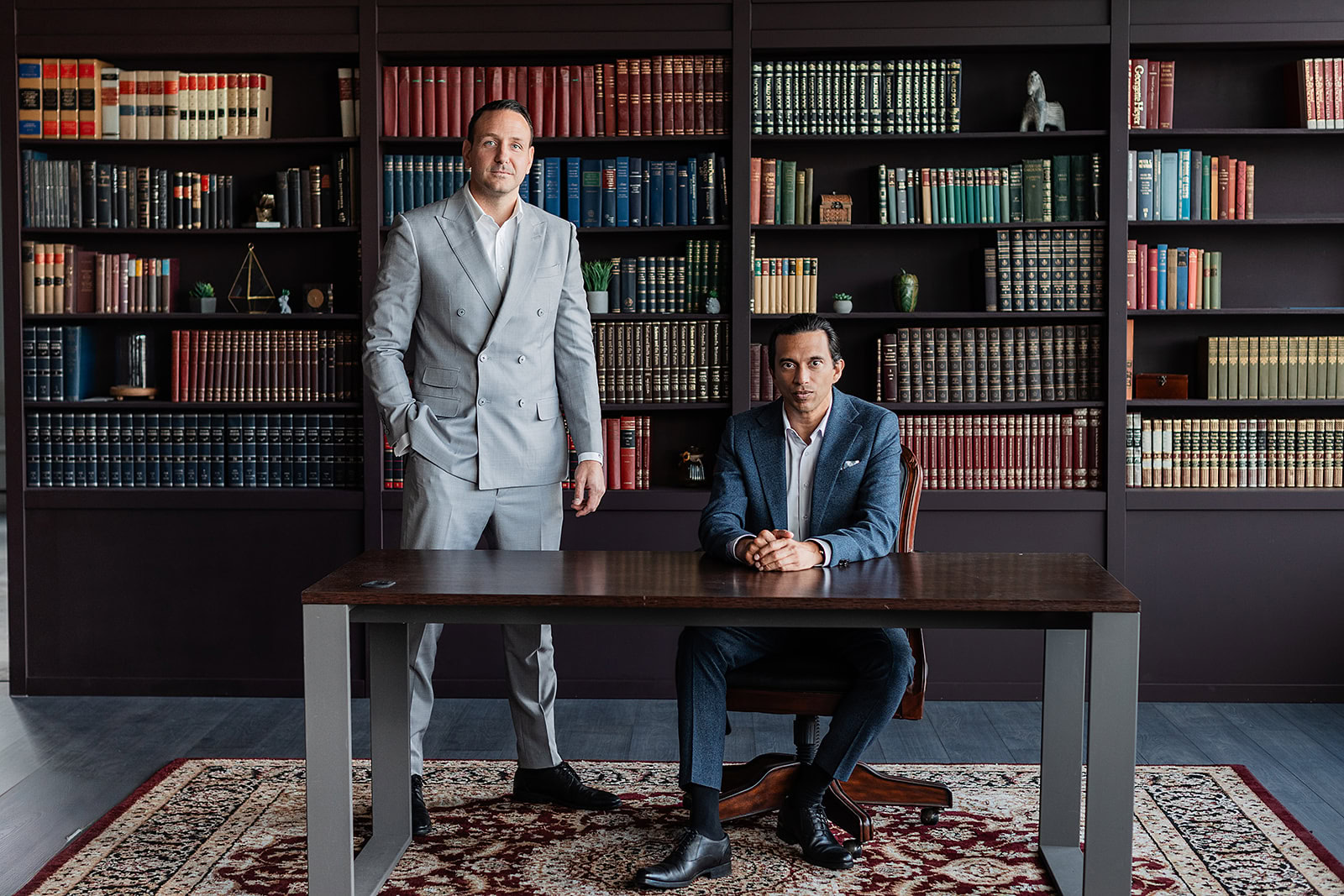
Who we are
At Safe Pacific, we craft personalized financial plans for success-driven Canadians, empowering them to use life insurance as a strategic financial tool. By protecting their greatest assets and helping them achieve lasting financial security, we give our clients peace of mind. We always act in their best interest—because their success is our mission, and their trust is why we love what we do.
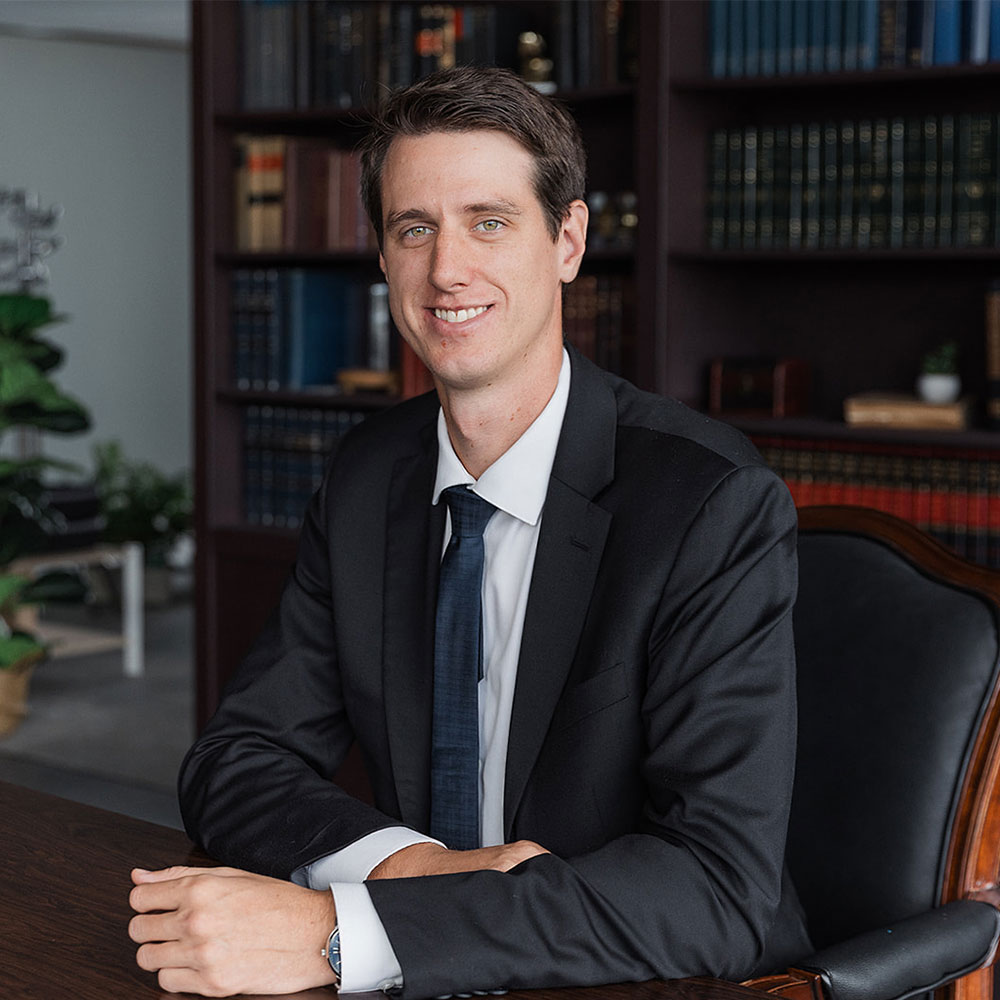
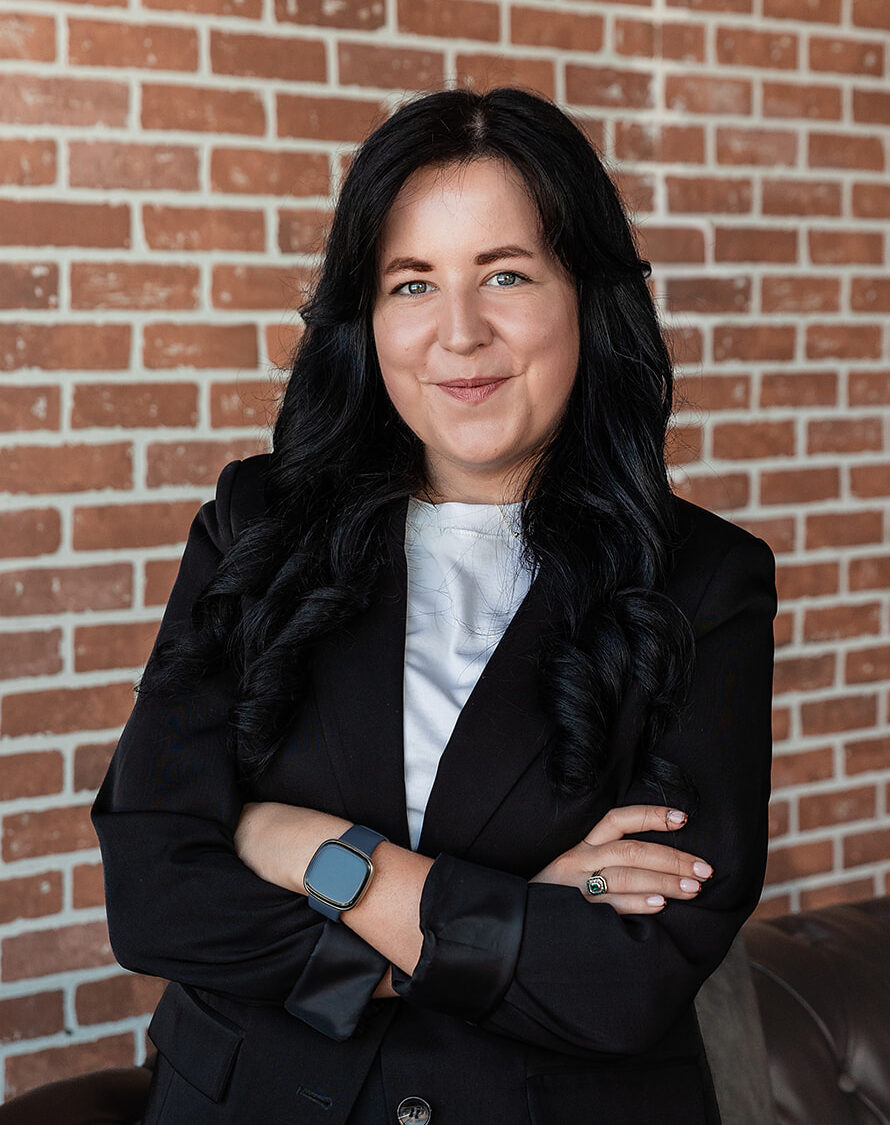
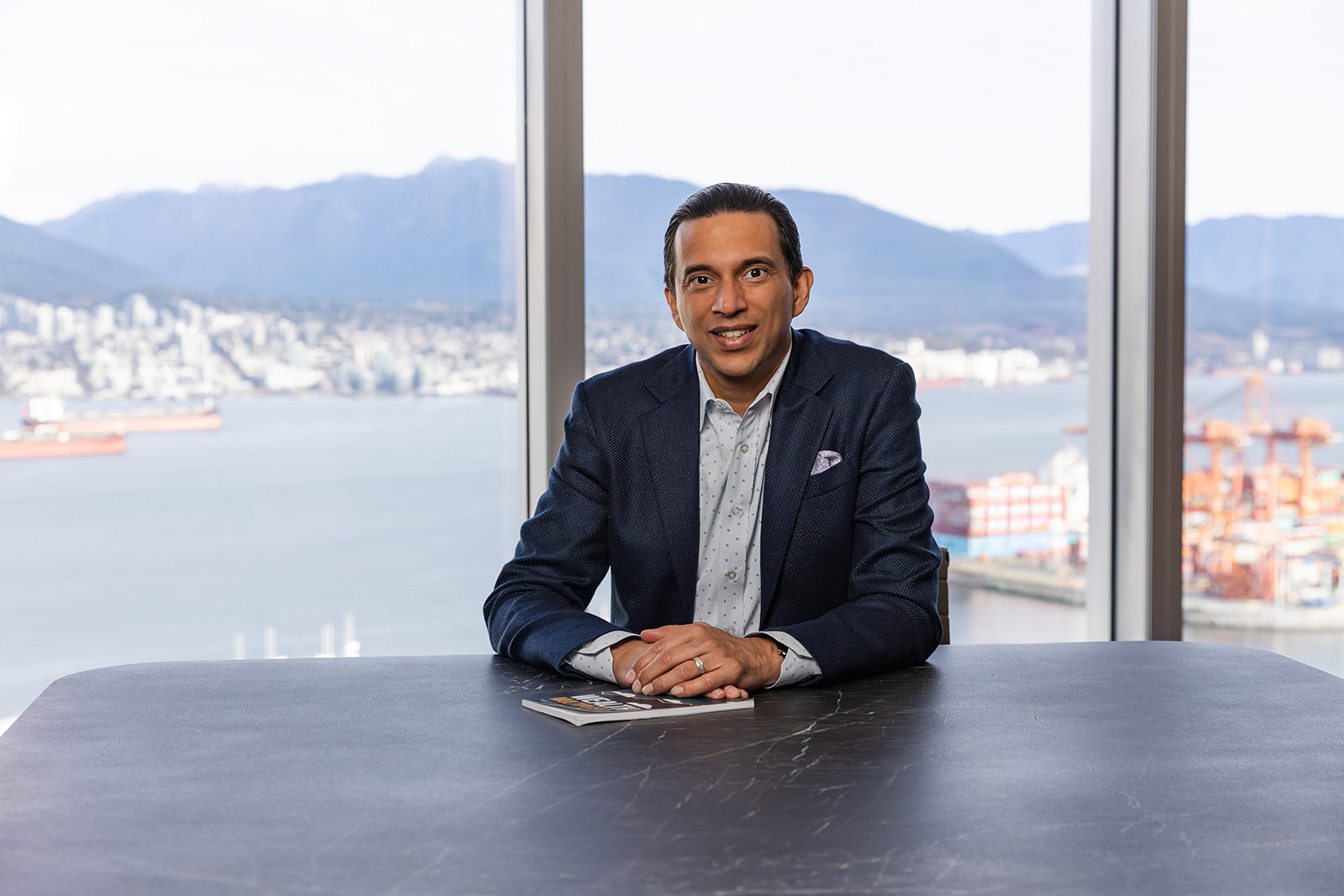
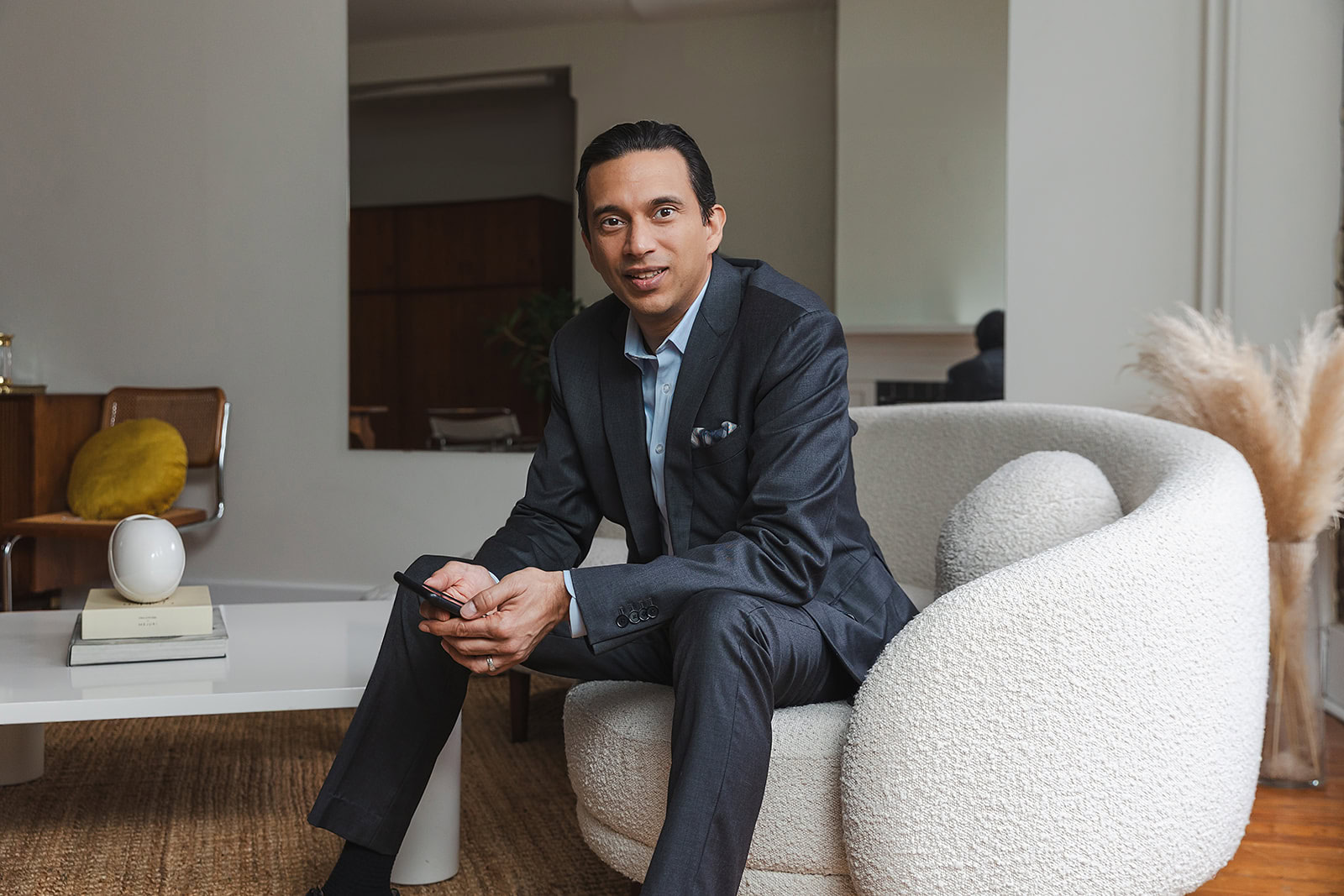
The Safe Pacific Team
Safe Pacific’s dedicated, independent team of experts puts clients first, offering trusted, personalized financial guidance.




Check out our latest insights
Thoughts and insights, updated weekly.

Right-Sizing: Why the Best Strategy Isn't Always the Biggest or the Smallest One
Executive Summary The right strategy is the one correctly sized to what you're actually trying to accomplish, which sometimes means less than what's on the...

The Corporate Asset Your Accountant Isn't Talking About
Executive Summary A properly structured corporate-owned participating whole life policy functions less like insurance and more like a tax-sheltered fixed-income allocation on your corporate balance...

If Something Happened to You Tomorrow… Would Your Plan Actually Work?
Executive Summary: Probably not the way you think, because most business owners have the components of a plan rather than a plan designed to function...
You’re Not Paying Too Much Tax — You Just Don’t Have a Strategy
Executive Summary The tax bill that frustrates incorporated Canadians usually isn't caused by the rates, it's caused by the absence of a coordinated strategy across...

The Silent Risk in Your Portfolio
Executive Summary The silent risk is real estate concentration, where 60% to 80% of a successful Canadian's net worth sits in property that can't be...

Why High Income Isn't the Same as Financial Security
Executive Summary A high income is a resource, not a financial plan, and on its own it can hide real structural fragility behind lifestyle creep,...

Your Corporation Has Accounts You've Probably Never Seen
Executive Summary Your corporation tracks three notional accounts, the Capital Dividend Account, RDTOH, and GRIP, that never appear on a statement but directly determine how...

What Happens After You Reach Out to Safe Pacific?
Executive Summary When you reach out to Safe Pacific, a real person from our team emails you within 24 hours with a link to book...

The Protection Playbook for High-Income Employees
Here's something that surprises a lot of people. Some of the most financially fragile households we see are actually very high-income families. Not because they're...
Whole Life Insurance: The Strategy Most People Miss
Most investment portfolios are built around three pillars. You have equities, you have fixed income, and here in Canada, a lot of people have real...

Why High Earners Are More Vulnerable Than They Think
Most people assume that earning more money makes life simpler. More income, more security, more options. But the uncomfortable truth we see every day is...

How to Protect Your Income in Canada with Disability & Critical Illness Insurance
What would happen to your savings, your retirement plan, and your finances in general if you were sick or injured tomorrow and couldn't work? How...
Let's Get Social
See more about life at Safe Pacific and watch our myriad videos on Instagram and Youtube.


Estate planning doesn`t just start when you die. That`s where a power of attorney comes in.
It gives someone legal authority to act for you while you`re alive but unable to make decisions. A power of attorney for property covers your finances, banking, investments, and corporate decisions. A representation agreement covers medical and health decisions.
Without them, your family has to apply to court for guardianship. Delays, expense, and disputes at the worst possible time.
Comment "MEETING" to book a free consultation.


Your executor settles your debts, files your final tax return, distributes your assets, and may have to manage or sell your business. It can take months or years.
So don`t assign it lightly. You need someone trustworthy, financially literate, impartial, and willing. Executors can decline the role, so get consent and name a backup in writing.
For complex estates, a professional executor can prevent family conflict and make probate go smoother.
Comment "MEETING" to book a free call.
Do you have a will, and is it actually still valid?
More than half of Canadians either don`t have one or have one that`s outdated, which leads to delays, legal challenges, and unnecessary tax.
Your will names your executor, sets your beneficiaries, appoints guardians for minor children, and coordinates with your corporate shares and trusts. If you own a holding company or multiple properties, skip the online template and use an estate lawyer.
Comment "MEETING" to book a free call.
Without proper estate planning, your estate becomes vulnerable to complications that are entirely avoidable.
Probate can take months or years, makes your financial affairs public record, delays your beneficiaries` access to funds, and comes with fees depending on your province. Your corporate shares, investments, and appreciated real estate can trigger a deemed disposition, leaving your heirs a capital gains bill they may have to sell assets to pay.
Add unclear intentions, and you get family disputes on top of it.
Comment "MEETING" to book a free call.
Here`s what these strategies look like in the real world.
A dentist working across Canada uses the cash value inside his corporate-owned policy to finance new practice acquisitions, buy equipment, and expand into new locations, all without liquidating investments or taking on outside loans.
A tech founder reinvests surplus cash through his holding company and accesses it through tax-free collateral loans, avoiding capital gains and dividend tax while he grows.
Comment "MEETING" to book a free call.
You don`t need to be a billionaire. You just need to think like one.
A lot of Canadian business owners hear a name like Jim Pattison and assume his wealth strategies are only for billionaires. They`re not. You just need a profitable corporation, a long-term vision, and the right strategy for your situation.
Participating whole life policies, holding company structures, tax-efficient cash flow planning, these tools are available to anyone who`s incorporated and strategic.
Comment "MEETING" to book a free call.
What made Jim Pattison so resilient through every economic cycle?
Control over his capital. He didn`t lean on public markets, outside investors, or bank financing. He built liquidity and tax-efficient structures that let him seize opportunities others couldn`t.
You can use the same blueprint. It starts with putting your retained earnings to work in a stable, tax-sheltered asset instead of watching them lose value in a low-interest account.
Comment "MEETING" to book a free call.
Custom corporate-owned life insurance is what we do at Safe Pacific.
We design policies for professionals and incorporated families, structured for maximum tax efficiency, growth, and legacy.
Just starting to build retained earnings? We can help. Already managing a substantial portfolio? We can help there too. The plan gets built around your situation, not a template.
Comment "MEETING" to book a free call.
Most Canadians think of life insurance as protection that pays out when you die. High-net-worth entrepreneurs like Jim Pattison see it differently.
They know a participating whole life policy can be a powerful tool for growing wealth while you`re still alive. It`s not just about leaving money behind. It`s a living asset that builds value inside your corporation, grows tax-sheltered, and can be accessed while you`re alive with no impact on your portfolio or tax bill.
Comment "MEETING" to book a free call
Life insurance isn`t just about death. For Canada`s wealthiest entrepreneurs, it`s a growth engine.
Direct part of your retained earnings into a corporately owned whole life policy. The cash value grows tax-sheltered with stable dividends, no stock market volatility. Borrow against it tax-free without touching your other investments. And on death, it passes to your family tax-free through the capital dividend account.
This is how the wealthy build, protect, and transfer millions.
Comment "MEETING" to book a free call.
Jim Pattison didn`t build a $14 billion empire by chance. It wasn`t just hard work. It was smart structure.
He maintained full control of his companies, reinvested retained earnings tax-efficiently, protected his assets from creditors and downturns, and set up a tax-free transfer of wealth to the next generation. One overlooked piece? A privately held life insurance policy inside his corporate structure.
And here`s the best part: you don`t need to be a billionaire to use the same tools.
Comment "MEETING" to book a free call.
Investing in a holding company can trigger big tax problems. Here`s how we help clients avoid them.
Cap passive income across all your related companies to protect your small business rate. Pair investments with whole life insurance, whose growth doesn`t count toward passive income. Reorganize your structure when it makes sense. And time your gains and withdrawals for low-income years.
The result: less tax drag, and your corporate cash working for you.
Comment "MEETING" to book a free call.
Contact us
Let’s chat. Fill out this form and a member of our team will get back to you within 24hrs on business days.
"*" indicates required fields