
About Us
Independent advisors committed to protecting your assets and helping you build lasting wealth with trusted guidance.
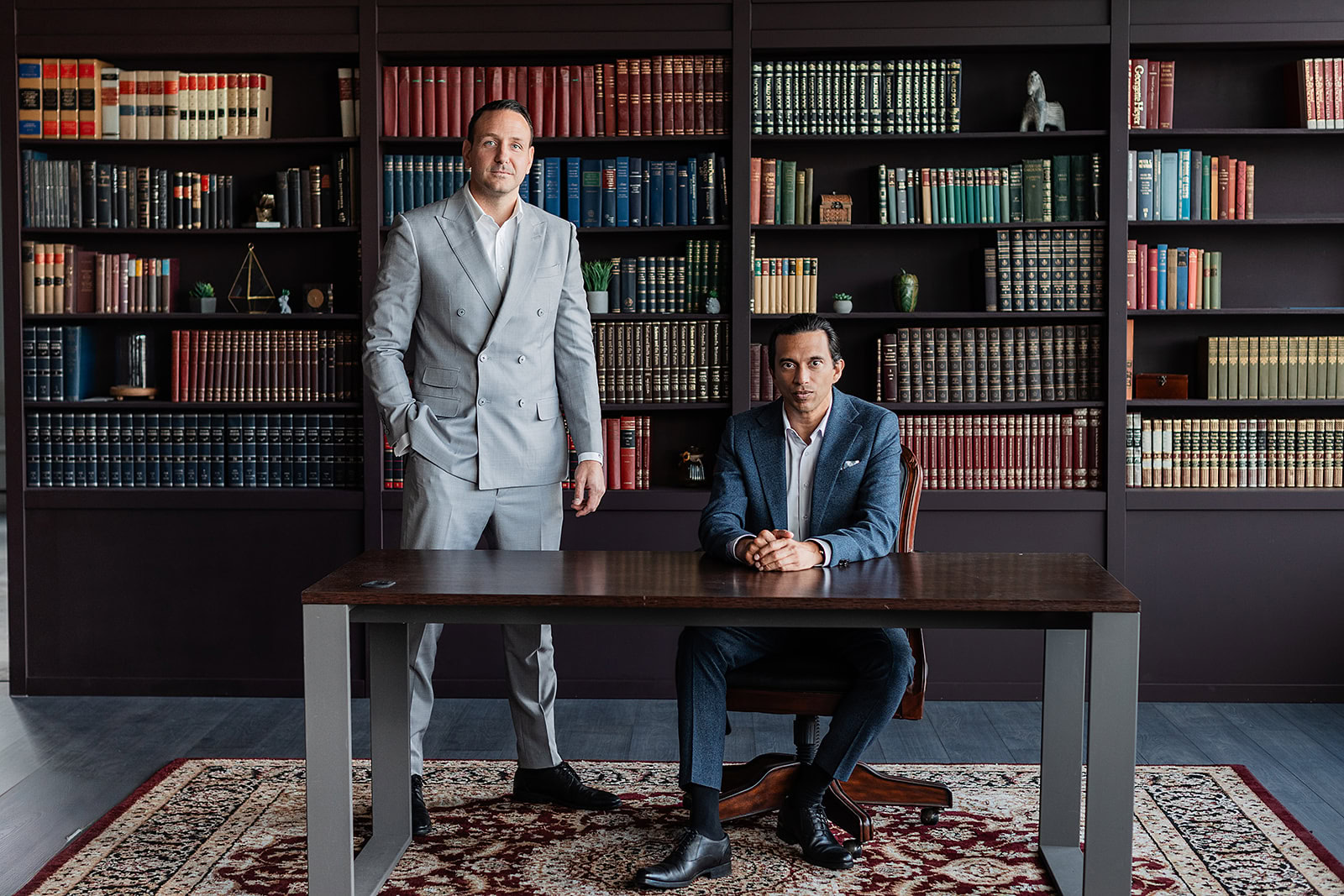
Who we are
At Safe Pacific, we craft personalized financial plans for success-driven Canadians, empowering them to use life insurance as a strategic financial tool. By protecting their greatest assets and helping them achieve lasting financial security, we give our clients peace of mind. We always act in their best interest—because their success is our mission, and their trust is why we love what we do.
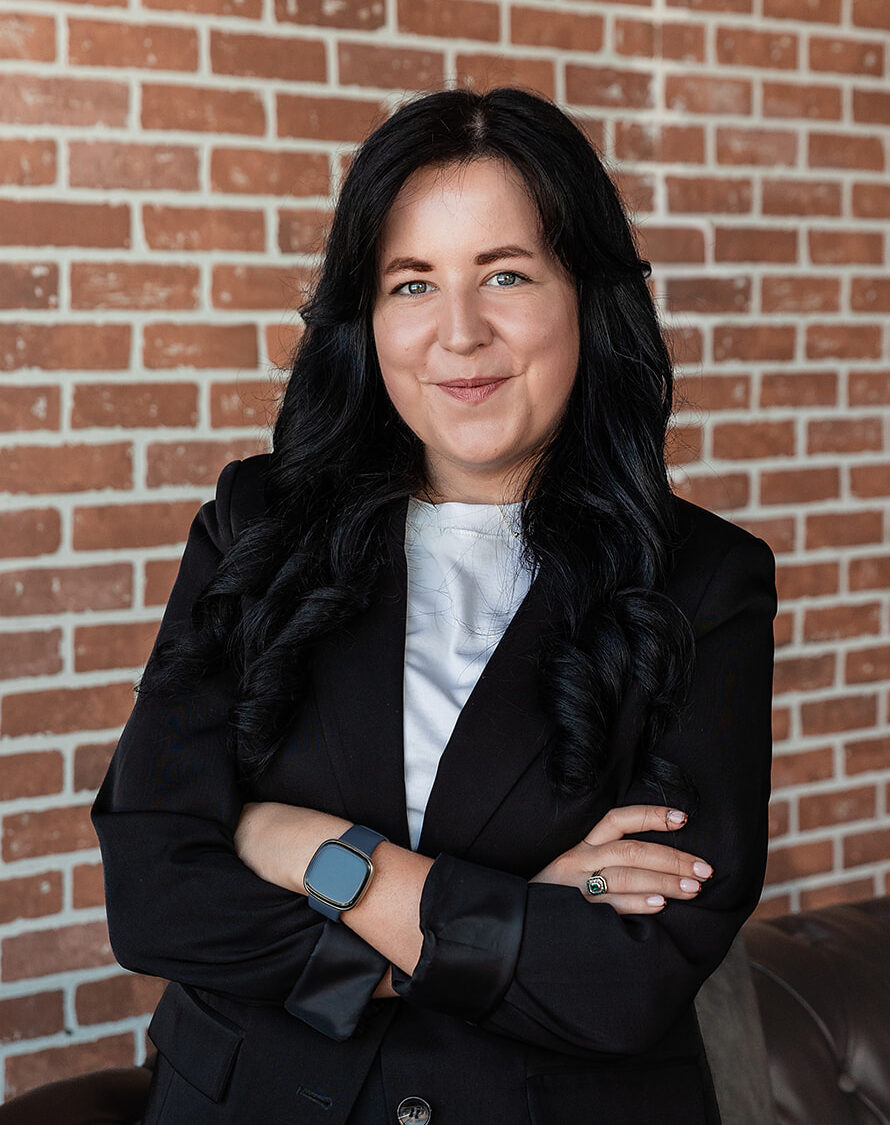
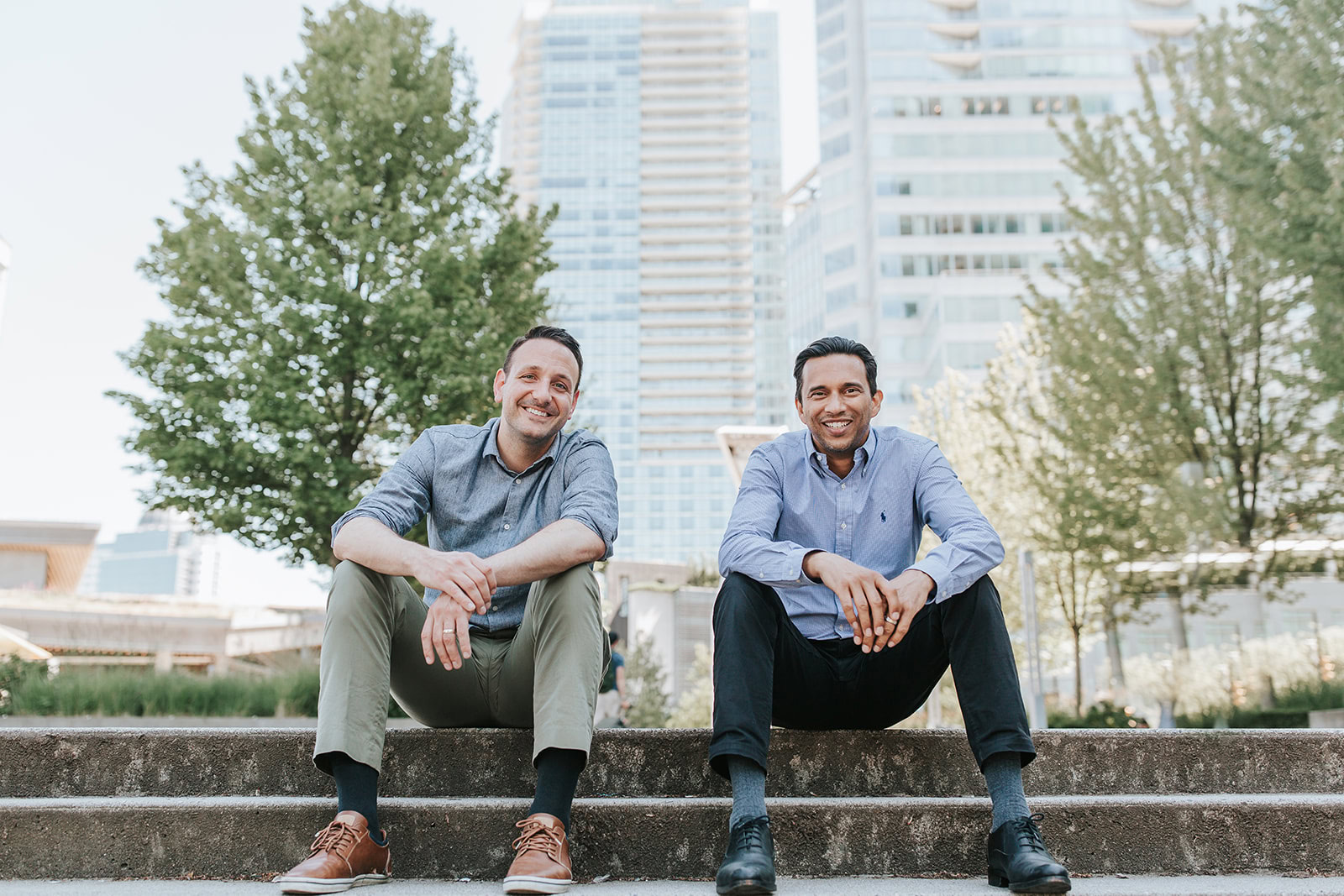
The Safe Pacific Team
Safe Pacific’s dedicated, independent team of experts puts clients first, offering trusted, personalized financial guidance.





Check out our latest insights
Thoughts and insights, updated weekly.

Right-Sizing: Why the Best Strategy Isn't Always the Biggest or the Smallest One
Executive Summary The right strategy is the one correctly sized to what you're actually trying to accomplish, which sometimes means less than what's on the...

The Corporate Asset Your Accountant Isn't Talking About
Executive Summary A properly structured corporate-owned participating whole life policy functions less like insurance and more like a tax-sheltered fixed-income allocation on your corporate balance...

If Something Happened to You Tomorrow… Would Your Plan Actually Work?
Executive Summary: Probably not the way you think, because most business owners have the components of a plan rather than a plan designed to function...
You’re Not Paying Too Much Tax — You Just Don’t Have a Strategy
Executive Summary The tax bill that frustrates incorporated Canadians usually isn't caused by the rates, it's caused by the absence of a coordinated strategy across...

The Silent Risk in Your Portfolio
Executive Summary The silent risk is real estate concentration, where 60% to 80% of a successful Canadian's net worth sits in property that can't be...

Why High Income Isn't the Same as Financial Security
Executive Summary A high income is a resource, not a financial plan, and on its own it can hide real structural fragility behind lifestyle creep,...

Your Corporation Has Accounts You've Probably Never Seen
Executive Summary Your corporation tracks three notional accounts, the Capital Dividend Account, RDTOH, and GRIP, that never appear on a statement but directly determine how...

What Happens After You Reach Out to Safe Pacific?
Executive Summary When you reach out to Safe Pacific, a real person from our team emails you within 24 hours with a link to book...

The Protection Playbook for High-Income Employees
Here's something that surprises a lot of people. Some of the most financially fragile households we see are actually very high-income families. Not because they're...
Whole Life Insurance: The Strategy Most People Miss
Most investment portfolios are built around three pillars. You have equities, you have fixed income, and here in Canada, a lot of people have real...

Why High Earners Are More Vulnerable Than They Think
Most people assume that earning more money makes life simpler. More income, more security, more options. But the uncomfortable truth we see every day is...
How to Protect Your Income in Canada with Disability & Critical Illness Insurance
What would happen to your savings, your retirement plan, and your finances in general if you were sick or injured tomorrow and couldn't work? How...
Let's Get Social
See more about life at Safe Pacific and watch our myriad videos on Instagram and Youtube.


Critical illness policies cover somewhere between 22 and 26 named illnesses depending on the carrier. Cancer, stroke, heart attack, and more.
And with almost every one of them, the first thing your doctor tells you is to reduce stress while you recover.
So what`s one of the biggest stressors for Canadians? Money. A tax-free lump sum takes that off the table so you can focus on getting better.
Comment "MEETING" to book a free call.


Cancer. Stroke. Heart attack. Survive the diagnosis and critical illness insurance pays you a tax-free lump sum, no receipts required.
It`s not health insurance reimbursing your bills. It`s not disability replacing your paycheck. It`s cash you can use however you want.
Cover the mortgage while you heal. Fly out of country for a specialist. Hire a caregiver. Pay for private rehab or home modifications. Your call.
Comment "MEETING" to book a free call.
We have a newsletter dedicated to every new video we release on YouTube.
Comment "YouTube" to always see our latest first.
Here`s a question another advisor once posed, and it puts everything in perspective.
Say you earn $100,000 a year. Would you rather earn $97,000 and guarantee your income keeps coming even if you`re sick or injured? Or earn the full $100,000 and get zero if something happens?
Most people say they`d pay a couple percent for the guarantee. That`s exactly what disability insurance is.
Comment "MEETING" to book a free call.
Disability insurance is the foundation of a financial plan, and not enough people talk about it.
We build plans in four layers. Protection first, because grand plans mean nothing if something goes wrong. Then savings, your emergency fund and short-term stability. Then growth, your investing. Then tax planning and legacy.
You insure your car, your home, even your iPhone. Your ability to earn is what pays for all of it.
Comment "MEETING" to book a free call.
A 35-year-old non-smoking professional can get around $3,000 a month in disability coverage for $100 to $200 a month.
Pricing depends on your age, health, smoking status, and occupation class. A bricklayer prices differently than a lawyer. You can also adjust your benefit amount, your waiting period, and how long the policy pays out to move the cost.
We shop Manulife, Canada Life, RBC, Sun Life, and Industrial Alliance to find your fit.
Comment "MEETING" to book a free call.
$40,000 of lifetime contribution room. Tax-deductible going in, tax-free coming out for a qualifying home purchase.
The FHSA is one of the most overlooked accounts in Canada.
Not sure if you`re using it well? We have a great video breaking it down.
Comment "FHSA" and we will send you the link.
How much disability insurance do you actually need? It`s the question we get most.
The short answer: as much as you can qualify for. Coverage is capped by your income, usually 60% to 80% of what you earn, and it`s designed to replace your after-tax income.
At minimum, you need enough to maintain your lifestyle and keep paying your obligations if your income stopped tomorrow. Hospital for eight months. Bills still due.
Comment "MEETING" to book a free call.
A surgeon breaks his hand. Does his disability policy pay? It depends entirely on one word in the contract.
Own-occupation means it keeps paying because he can`t do surgery, even if he could teach at a university for the same money. Any-occupation, the cheaper version, stops paying the moment he could do any job at all, even sweeping floors at a gas station.
Most people have no idea which one they have.
Comment "MEETING" to book a free call.
Comment MEETING to schedule a time #safepacific #financialservices #lifeinsurance
$50,000. That`s the amount of passive investment income your corporate group can earn before you start losing your small business deduction, at a rate of $5 of deduction lost for every $1 over the line.
It`s one of the most expensive numbers in Canadian corporate tax planning, and most business owners don`t find out about it until it`s already cost them.
There are ways to structure around it. Comment “MEETING” and we`ll send you the link to find out where you stand.
Not all disability insurance is created equal. In Canada there are two main types, and knowing the difference matters.
Short-term disability bridges the gap between your last paycheck and a longer recovery. It replaces income for a few weeks up to about two years, covering things like surgery recovery, broken bones, or concussions.
It`s usually what shows up on employer group plans, and most of those end after two years. That`s why having your own matters.
Comment "MEETING" to book a free call.
Contact us
Let’s chat. Fill out this form and a member of our team will get back to you within 24hrs on business days.
"*" indicates required fields